Signs Your Property Needs New Concrete Steps
If your property shows signs like cracking, shifting, or uneven surfaces, local contractors specializing in new concrete steps can assess and replace them effectively.
If you’ve noticed cracks, chips, or uneven surfaces on your property’s concrete steps, it may be a sign that they are nearing the end of their lifespan and in need of replacement. Over time, exposure to weather, foot traffic, and shifting ground can weaken concrete, leading to safety hazards and aesthetic concerns. Property owners in the area who observe these issues often find that investing in new concrete steps enhances both safety and curb appeal, making it a worthwhile consideration for maintaining the value of their property.
Understanding the signs that your concrete steps need attention can help prevent more serious problems down the line. Indicators such as spalling, significant deterioration, or difficulty in navigating the steps safely are practical reasons to explore replacement options. Local contractors who specialize in new concrete steps can assess these signs and provide solutions tailored to the specific needs of each property, ensuring that the steps are both functional and visually appealing. Keep reading to learn more about what to watch for and how local service providers can assist with your project.
- Concrete step replacement services are often needed when cracks, chips, or uneven surfaces become safety hazards. Local contractors assess the extent of damage and recommend new installations to restore stability and curb appeal. Signs of deterioration, such as crumbling edges or sinking steps, prompt homeowners to seek professional replacement. When existing concrete shows signs of spalling or significant wear, service providers can install durable new steps tailored to the property. Worn or outdated concrete steps that no longer match the property's aesthetic may also lead property owners to pursue replacement solutions.
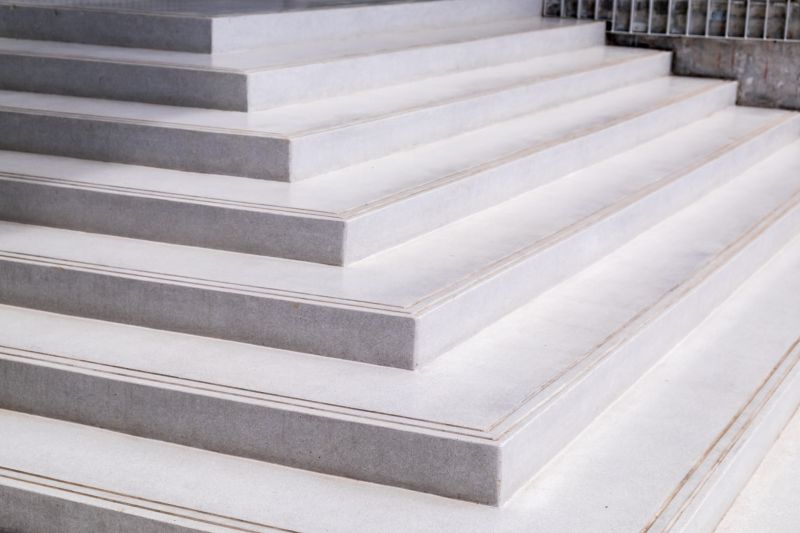
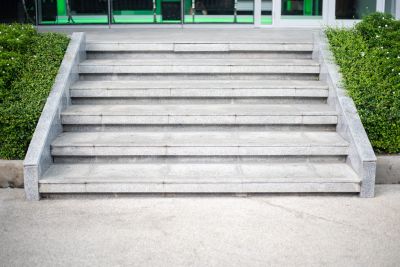
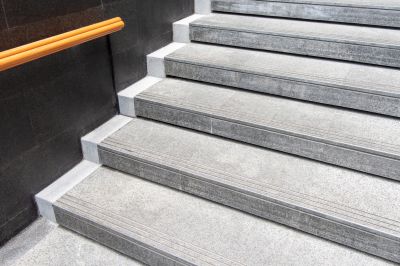
When homeowners search for signs their property needs new concrete steps, they are typically looking for indicators that their current steps are no longer safe, functional, or visually appealing. Over time, concrete steps can develop cracks, chips, or uneven surfaces that compromise safety and curb appeal. These visible issues often prompt property owners to consider replacement or repair to prevent accidents and improve the overall look of their entrance. Often, people are concerned with the structural integrity of their steps, especially if they notice shifting or sinking, which can signal underlying problems with the foundation or soil stability. Recognizing these signs early can help homeowners decide whether a repair is sufficient or if a full replacement is necessary.
Concrete steps are commonly associated with residential properties, especially at front entrances, porches, or patios. They are also prevalent in commercial settings, such as storefronts, apartment complexes, or public buildings, where durable and accessible entryways are essential. Properties with aging or poorly maintained concrete steps often face issues related to weather exposure, freeze-thaw cycles, and regular foot traffic, which can accelerate deterioration. For homeowners planning renovations or upgrades, identifying the need for new steps becomes part of broader property improvement projects. Whether for safety, aesthetics, or accessibility reasons, understanding the specific problems with existing concrete steps helps determine the scope of work needed and when to involve local construction professionals.
Problems that indicate the need for new concrete steps can vary from minor surface cracks to major structural failures. Small cracks may seem harmless but can allow water infiltration, which worsens over time and leads to spalling or crumbling concrete. Uneven or sunken steps pose tripping hazards and can cause difficulty for individuals with mobility challenges. Visible deterioration, such as crumbling edges or exposed rebar, signals that the concrete has reached the end of its service life. Additionally, a change in the appearance of the steps-such as discoloration, staining, or a rough surface-may suggest underlying issues that compromise safety and function. When these problems are present, it’s advisable to consult with local contractors who specialize in concrete work to assess whether repair or replacement is appropriate.
Understanding the connection between property conditions and the need for new concrete steps helps homeowners plan effectively for their projects. Whether upgrading for safety, accessibility, or aesthetic reasons, working with experienced local service providers ensures the job is done correctly. These professionals can evaluate the extent of damage, recommend suitable solutions, and handle the construction process efficiently. Recognizing the signs early and engaging with skilled contractors can prevent further deterioration and costly repairs down the line. For property owners considering new concrete steps, identifying these indicators is a crucial step toward maintaining a safe, functional, and attractive property entrance.
Patio and walkway installation - these projects require precise planning and skilled concrete work similar to installing or replacing concrete steps to ensure durability and safety.
Garage floor repair and resurfacing - repairing or replacing garage floors involves concrete work that shares techniques used in constructing sturdy, long-lasting steps.
Driveway paving and repair - both projects involve preparing the surface and pouring concrete or other materials, requiring similar planning and skill as installing new steps.
Foundation repair and leveling - addressing foundation issues demands expertise in concrete work, which is also essential when replacing or repairing concrete steps.
Concrete porch construction - building or repairing porches involves similar structural planning and concrete finishing techniques as steps installation.
Retaining wall construction - constructing retaining walls involves concrete work and planning that align with the skills needed for new concrete steps projects.
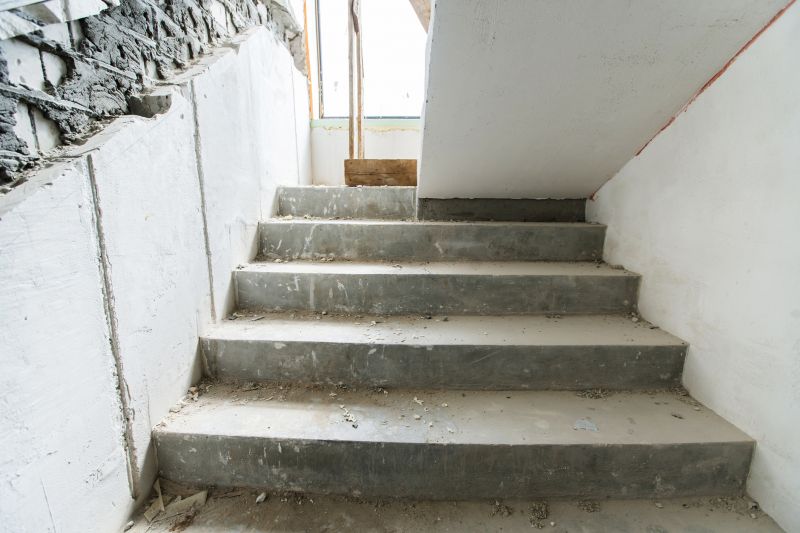
When evaluating local contractors for new concrete steps, it’s important to consider their experience with similar projects. An experienced service provider will have a track record of successfully installing or replacing concrete steps in residential settings, demonstrating familiarity with common issues such as cracking, settling, or uneven surfaces. Homeowners should look for contractors who can provide examples of past work comparable to their needs, ensuring that the service provider understands the specific challenges that come with steps-such as safety considerations, proper slope, and aesthetic integration with existing structures.
Clear, written expectations are vital when comparing local service providers. A reputable contractor will be able to outline the scope of work, materials to be used, and the estimated process from start to finish in a detailed manner. This helps prevent misunderstandings and sets a transparent foundation for the project. Homeowners are encouraged to ask for written proposals or estimates that clearly specify what is included, ensuring that all parties are aligned on the work to be completed and that there are no surprises once the project begins.
Reputable references and effective communication are key indicators of a reliable service provider. Homeowners should seek out local contractors who can provide references from previous clients with similar projects, offering insights into their professionalism and quality of work. Good communication throughout the process-prompt responses to questions, clear explanations of options, and updates on progress-also reflects the contractor’s commitment to customer satisfaction. Taking the time to verify references and observe how well a contractor communicates can help ensure that the chosen professional will deliver a smooth and satisfactory experience when installing new concrete steps.
Property owners often search for signs your property needs new concrete steps when they are planning practical projects around their homes and businesses. Local pros provide New Concrete Steps Construction services for everyday jobs and straightforward project options.
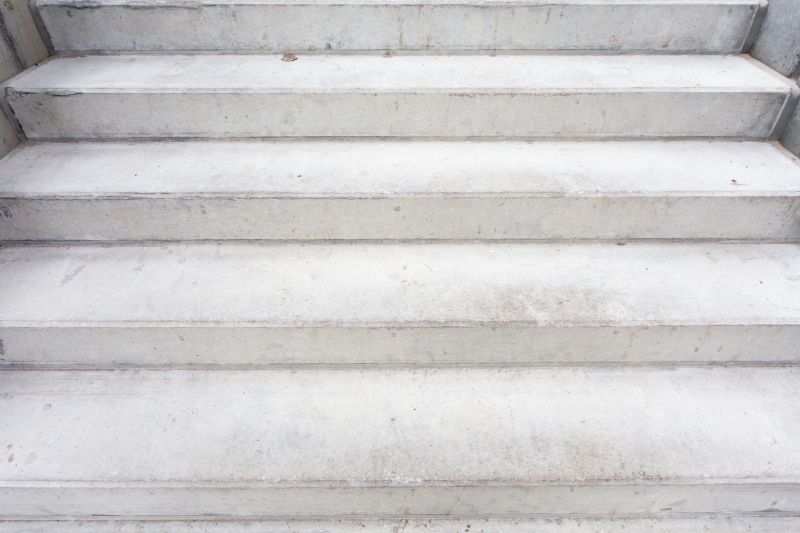
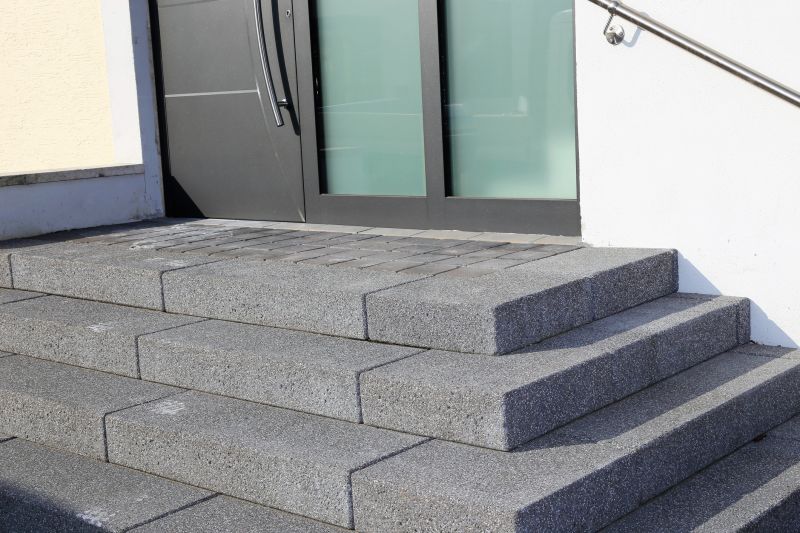
Property owners often notice cracks or uneven surfaces developing on their concrete steps over time. These issues can become safety hazards, especially if the steps become difficult to navigate or if loose, crumbling sections pose a risk of falling. Additionally, visible signs of wear such as spalling or chipping can diminish curb appeal and may indicate that the existing concrete is no longer structurally sound. When these signs appear, it’s a good idea to consider the expertise of local contractors who specialize in new concrete steps construction to restore safety and improve the overall look of the property.
Other common indicators that property needs new concrete steps include water pooling or drainage problems around the staircase area, which can accelerate deterioration. If the steps have shifted or settled unevenly, it can cause tripping hazards and further structural issues. For those experiencing these problems, connecting with experienced local service providers can help evaluate the situation and determine whether replacing the steps is the best solution. Skilled contractors can provide durable, safe, and visually appealing new concrete steps that address these issues effectively.
What are visible cracks or chips on concrete steps? Cracks or chips can indicate deterioration that may compromise the stability and safety of the steps, suggesting the need for replacement by local contractors.
Are there signs of uneven or sinking steps? Uneven or sinking concrete steps often point to foundational issues or erosion, which can be addressed by experienced service providers with new construction solutions.
Is there excessive spalling or surface deterioration? Surface spalling and deterioration weaken the concrete, increasing the risk of failure and signaling that new concrete steps might be necessary for safety and durability.
Do the steps have visible rust stains or corrosion marks? Rust stains or corrosion can indicate reinforcement corrosion or structural damage, often requiring the expertise of local contractors to replace the affected steps.
Are the concrete steps loose or wobbling? Loose or wobbly steps suggest instability that could lead to accidents, making replacement by qualified service providers a practical solution.
Cracks and crumbling edges - Noticing damage on existing concrete steps can indicate deterioration that needs professional replacement to ensure safety and durability.
Uneven or sinking steps - If the steps are uneven or have shifted over time, local contractors can help install new concrete steps that restore stability.
Water pooling or erosion around the base - Signs of water damage or erosion suggest that new concrete steps may be needed to prevent further issues and improve drainage.
Visible spalling or surface wear - Surface deterioration like spalling can compromise the integrity of the steps, making replacement the best option for a safe entrance.
If you are thinking about signs your property needs new concrete steps for a property, this guide is meant to help you understand this topic, the typical project types, and how different options might fit your plans.
When you are ready, you can use the quote form on this page to share a few details about your project. From there, local pros can review the basics and follow up with options that match what you have in mind.